
Bachelor of Technology
Bachelor of Technology (B.Tech) is a four-year undergraduate engineering degree that develops technical skills, innovation, problem-solving, and industry expertise.
Course Overview
BTech (Bachelor of Technology) is one of the most sought-after undergraduate engineering degree programs designed to equip students with technical expertise, analytical thinking, problem-solving abilities, and practical engineering skills. The program focuses on applying scientific principles and technological innovations to solve real-world challenges across various industries, preparing graduates for careers in engineering, technology, research, and innovation.
Bachelor of Technology (BTech) is a 4-year undergraduate professional degree program typically divided into eight semesters. The course provides a comprehensive understanding of engineering fundamentals, advanced technologies, industry practices, and modern technical tools. Offered by universities and engineering institutions across India, the program is recognized by regulatory authorities such as the :contentReference[oaicite:0]{index=0} and affiliated universities, ensuring academic quality and industry relevance.
The curriculum is carefully structured to combine theoretical knowledge with practical application through laboratory sessions, workshops, industrial training, project-based learning, internships, and research activities. Students gain hands-on experience in designing, developing, testing, and implementing engineering solutions while developing critical thinking, innovation, teamwork, and leadership skills essential for modern engineering professionals.
During the initial years of the program, students study foundational subjects such as Engineering Mathematics, Physics, Chemistry, Engineering Mechanics, Programming Fundamentals, Electrical Engineering, Electronics Engineering, Engineering Graphics, Communication Skills, and Environmental Studies. These subjects establish a strong scientific and technical foundation that supports advanced engineering concepts in later semesters.
As students progress through the program, they specialize in their chosen engineering discipline. Popular BTech specializations include Computer Science and Engineering (CSE), Information Technology (IT), Artificial Intelligence and Machine Learning (AI & ML), Data Science, Electronics and Communication Engineering (ECE), Electrical Engineering (EE), Mechanical Engineering (ME), Civil Engineering (CE), Chemical Engineering, Aerospace Engineering, Biotechnology Engineering, Robotics Engineering, Cyber Security, Internet of Things (IoT), and many other emerging technology domains.
The advanced curriculum includes specialized subjects related to the selected branch, allowing students to develop expertise in their field. For example, Computer Science students study Data Structures, Algorithms, Database Management Systems, Operating Systems, Computer Networks, Software Engineering, Cloud Computing, Artificial Intelligence, and Cyber Security, while Mechanical Engineering students focus on Thermodynamics, Manufacturing Processes, Machine Design, Fluid Mechanics, and Industrial Engineering.
A significant component of the BTech program is experiential learning through laboratory experiments, industrial visits, technical workshops, hackathons, research projects, internships, and final-year capstone projects. These activities provide practical exposure to industry tools, technologies, and engineering workflows while helping students develop problem-solving and innovation capabilities. Many institutions collaborate with leading technology companies and industries to provide students with real-world project experience and professional exposure.
The program also emphasizes emerging technologies and industry trends, ensuring graduates remain competitive in a rapidly evolving technological landscape. Students are encouraged to participate in technical competitions, coding contests, innovation challenges, research publications, entrepreneurship initiatives, and professional certification programs to enhance their technical profile and career prospects.
Upon completion of the degree, BTech graduates can pursue a wide range of career opportunities across sectors such as Information Technology, Software Development, Artificial Intelligence, Manufacturing, Construction, Telecommunications, Automotive Engineering, Energy, Healthcare Technology, Aerospace, Research and Development, and Government Services. Common job roles include Software Engineer, Full Stack Developer, Data Scientist, AI Engineer, Cyber Security Analyst, Network Engineer, Mechanical Design Engineer, Civil Engineer, Electrical Engineer, Project Engineer, System Analyst, Product Engineer, and Technical Consultant.
Graduates may also choose to pursue higher education and specialized studies through programs such as MTech (Master of Technology), MBA (Master of Business Administration), MS, or research-oriented doctoral programs. Additionally, BTech provides a strong foundation for entrepreneurship, enabling graduates to launch technology startups, develop innovative products, and contribute to technological advancement and economic growth.
With its blend of academic rigor, practical training, technological innovation, and industry-focused learning, the BTech degree serves as a gateway to rewarding careers in engineering and technology. The program empowers students to become skilled professionals, innovators, researchers, and leaders capable of addressing complex global challenges through engineering excellence and technological solutions.
B.tech Curriculum Stages
Engineering Foundation Phase
Covers Engineering Mathematics, Physics, Chemistry, Basic Electrical Engineering, Programming Fundamentals, Engineering Graphics, and Communication Skills.
Core Engineering Phase
Focuses on branch-specific subjects such as Computer Science, Mechanical, Civil, Electrical, Electronics, or Information Technology along with laboratory sessions.
Advanced Technology & Project Phase
Includes advanced specialization subjects, industrial training, internships, research work, innovation projects, and major capstone project development.
Quick Course Facts
Duration
4 Years (8 Semesters)
Admission Gate
JEE Main / JEE Advanced / State-Level Engineering Entrance Exams
Academic Criteria
10+2 with Physics, Chemistry & Mathematics (PCM) from a recognized board
Accreditation
AICTE Approved & UGC Recognized
Eligibility & Admission Guide
Essential academic requirements and step-by-step admission process for aspiring engineering students.
Eligibility Criteria
Candidates must have successfully completed 10+2 education with Physics, Chemistry, and Mathematics (PCM) from a recognized board.
Academic Qualification
Students must secure the minimum qualifying marks in PCM subjects as prescribed by the institution, state authorities, or national admission bodies.
Admissions Gate
Admission is primarily based on JEE Main, JEE Advanced, state-level engineering entrance examinations, or institute-specific admission processes.
Top Colleges Offering B.Tech
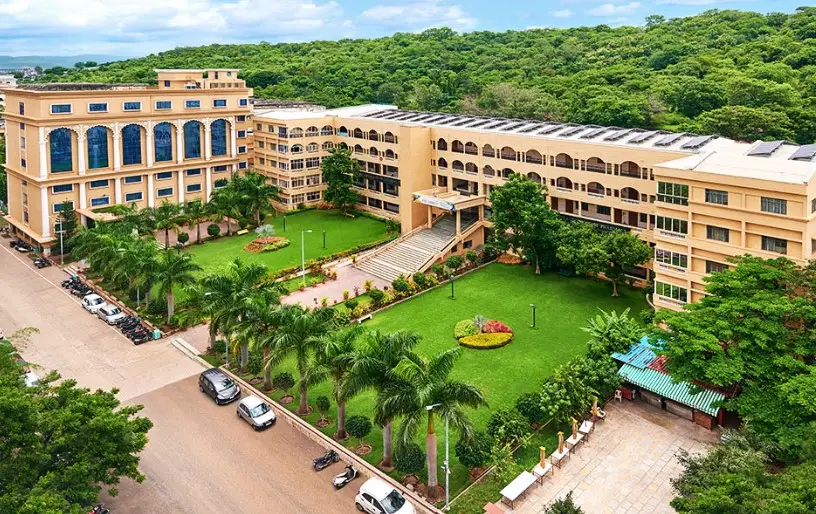
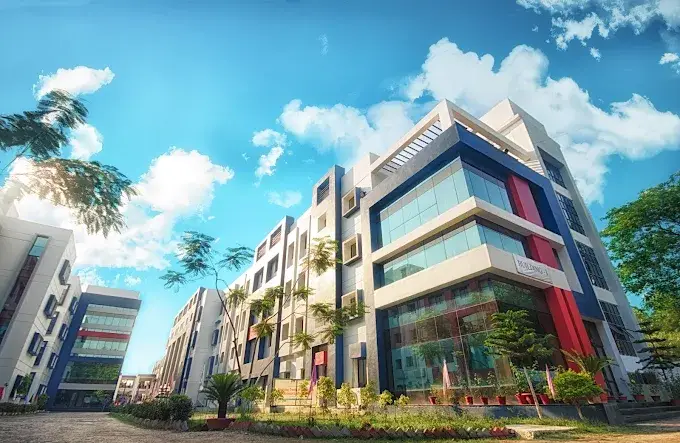
Explore renowned colleges and universities offering quality education, modern infrastructure, expert faculty, and diverse academic opportunities for future success.

Get Ready To Begin
Your Journey
Explore premier global universities, receive direct admission support, and start your journey to academic excellence with expert counselling.